


Selling a Home You Inherited in Los Angeles: Where to Start
If you’ve inherited a house, I’m sorry. For most people this comes after losing a parent, and the house lands on top of a long list of hard things at a hard time. You don’t need someone rushing you, and you don’t need a headline telling you what the market is doing. You need to know what your options are.
Here’s how I’d think about it if you were my friend asking me over coffee.
Start With the Paperwork, Not the Paint
Before you touch a wall or call a stager, find out how the home’s title is held and what has to happen before it can legally be sold.
Sometimes the home sits in a living trust. If it does, the person named as trustee can usually sell it without going to court, and the sale looks a lot like a normal one. Sometimes it has to go through probate, which is the court process for settling an estate. In California that can add months and a few extra steps, including court dates and rules about how offers get accepted. It’s workable. You only need to know you’re in it before you plan a timeline.
I’m not an attorney and this isn’t legal advice. Talk to the estate attorney handling things, or hire one if there isn’t one yet. That one conversation tells you what you’re actually working with.
Get the Family on the Same Page First
Most inherited-home sales involve more than one person. Siblings, a surviving parent, a trustee who is one of the kids. Everyone is grieving in their own way, and people want different things. One wants to sell fast. Another wants to keep it in the family. The one who lives out of state feels left out of every decision.
The sale goes better when the family part is handled first. I keep everyone informed the same way at the same time, so nobody feels like a decision happened without them. I can’t settle a family disagreement, but I can keep the process from creating a new one.
One Tax Question Worth Asking Early
When you inherit a home, the tax basis often resets to the home’s value on the date the owner passed away. That can change what, if anything, is owed when you sell. I’m not a tax advisor, and every situation is different. Before you decide anything based on what a neighbor or an online forum told you, talk to a CPA who handles estates. It’s usually a short call and it can matter a lot.
Don’t Renovate It Before Someone Walks Through It
Inherited homes are often homes where not much has changed in 20 or 30 years. The kitchen is dated. There’s deferred maintenance nobody got to. The instinct is either to pour money into a renovation or to feel embarrassed and rush it out the door.
Please don’t do either before I, or an agent who knows that specific neighborhood, walks through it. Some work helps you sell and you get it back. Some work you spend on and never see again. In a lot of LA neighborhoods, a well-located home that needs updating still draws several buyers, because buyers here are used to competing and many want to renovate to their own taste anyway. If cash from the estate is tight, there are programs, including one through Compass, that cover approved prep costs and get paid back at closing.
You’re also allowed to sell the house exactly as it sits. You still disclose what you know, and if you inherited it you may honestly not know much, which is fine to put in the paperwork.
An Empty House Still Costs Money
There’s no prize for rushing. But a vacant home costs something every month. Property taxes, insurance, utilities, gardening, and the risk that comes with a house sitting empty. Many insurers treat a vacant home differently, so tell the insurance company the house is unoccupied and ask what the policy needs. You don’t have to move fast. You want the timeline to be a choice you made, not one that happened to you.
Why I Take These Slowly
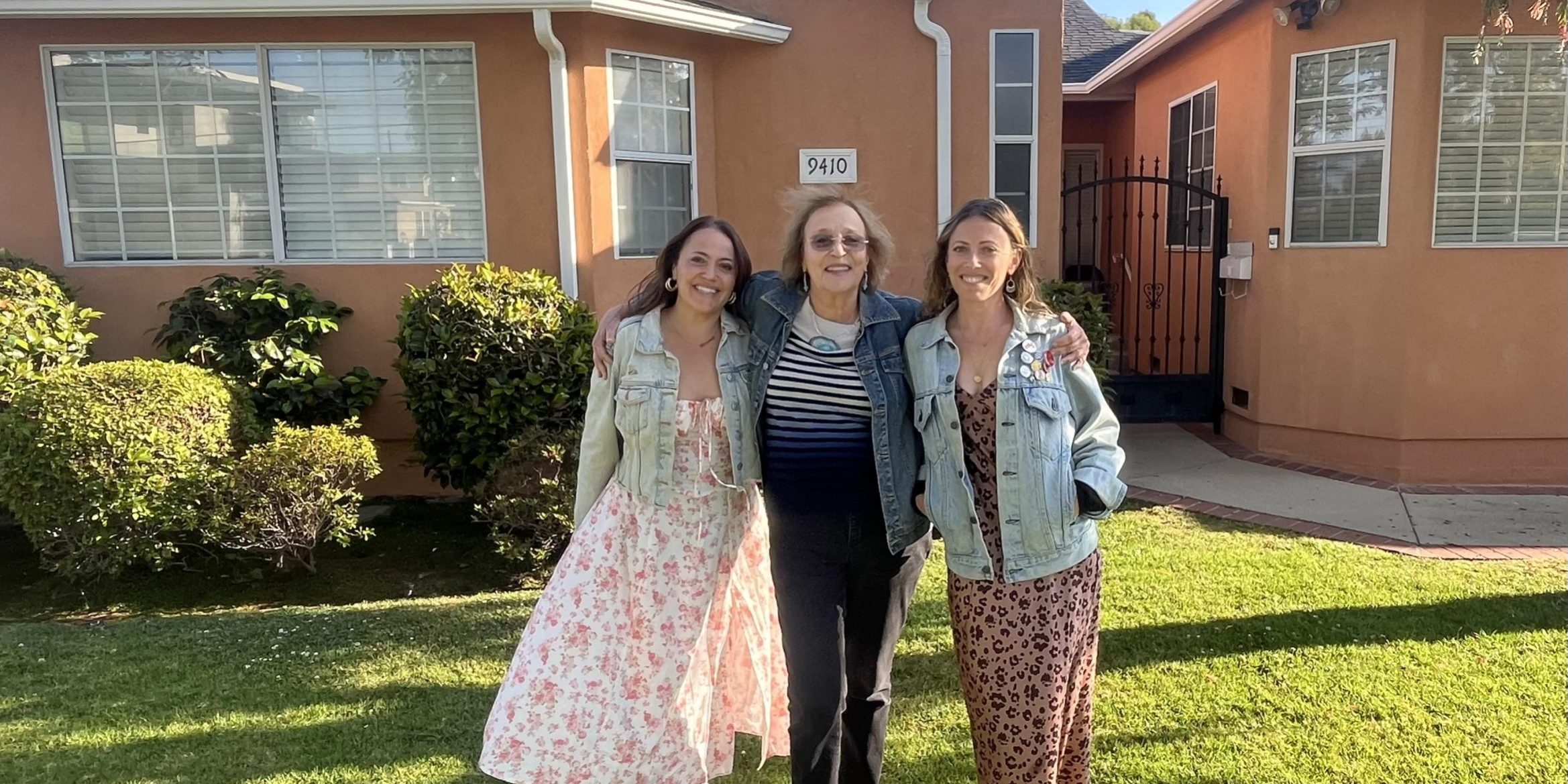
I haven’t sold a home I inherited myself. But I helped my mom sell her house of 45 years and my aunt sell hers of 42, going through closets with my sister, deciding what to keep and what to let go. Both of them are alive and doing well, and it was still emotional. It took time and it brought up a lot.
The thought of doing all of that right after losing a loved one changed how I approach inherited homes. A longtime family home is rarely just a transaction, and in this situation it never is. So when a client tells me they’re not ready to move fast, we build the plan around that.
About Nicole Strober
Nicole Strober is a Realtor® with Compass and a native Angeleno. Her core focus is Culver City, Beverlywood, Cheviot Hills, West Adams, Baldwin Hills, Ladera Heights and surrounding Westside neighborhoods, with additional transactions across Los Angeles including Highland Park, the San Fernando Valley, Burbank, and South LA. Under her brand, Strober Homes, she helps buyers and sellers navigate the Los Angeles real estate market with a strategic and hands-on approach, taking time to understand what matters most to each client and guiding them through the process from beginning to end.
Nicole Strober | Strober Homes
Thoughtful Guidance • Strategic Marketing • Exceptional Results
📞 424.744.7282 📧 Nicole@NicoleStrober.com 🌐 StroberHomes.com
Do I owe taxes on the full value of a home I inherit?
No. When a home passes to you, the tax basis usually resets to what it was worth on the date the previous owner passed away. That’s called a step up in basis, and it means you’re only taxed on what the home gains in value after that point, not the whole history of appreciation. Every situation is different, so confirm the details with a CPA who handles estates.
What's the difference between a trust and a will when it comes to inheriting a house?
A will still has to go through probate, the court process that legally transfers the house into your name, and that can take months. A trust skips that step. If the house was titled in the trust’s name, whoever’s named as trustee can usually sell or transfer it directly, without a judge involved.
How long does probate take in California?
It varies, but it commonly adds several months before a home can legally be sold, depending on the county and whether anyone contests it. An estate attorney can tell you where a specific case stands early on.
When should I get the home appraised?
As close to the date the previous owner passed away as possible. That appraisal establishes your stepped up basis, the number that protects you from a bigger tax bill if you sell later.