2026-09-09 · 2 min read · Culver City
Culver City History Goes Way Beyond Sony Studios and Good Restaurants
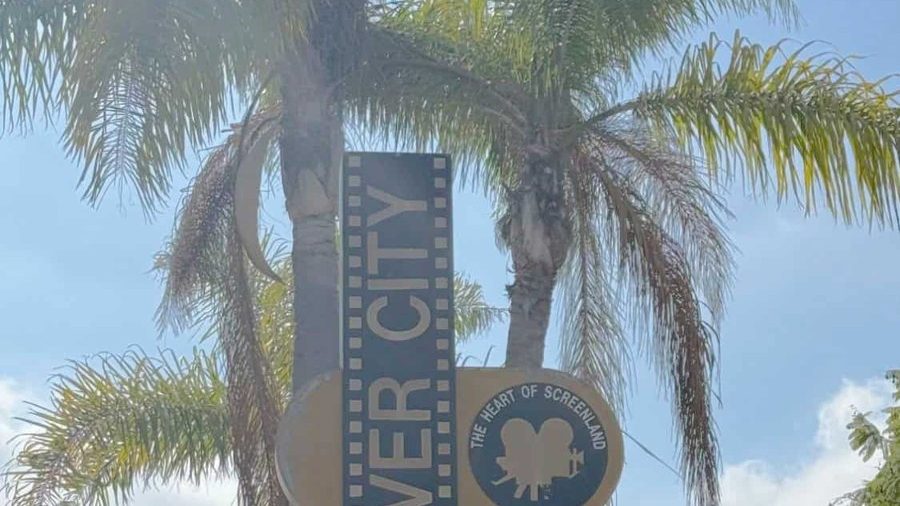
When you are buying or selling in Culver City, the history behind a street or a neighborhood usually explains something about it today. Why certain blocks have small lots and older bungalows. Why some areas still carry a bit of an industrial edge while others feel purely residential. Why a piece of land ended up shaped the way it did. Understanding that context is part of how I help clients see the whole picture, not just the house, but the place it sits in.
I also just love this stuff. I spend a lot of my time in Culver City, showing homes, walking neighborhoods, talking with people who have lived here for decades, and every so often I dig into the history of this place and get surprised all over again. Most people know Culver City for Sony Studios and a great restaurant scene. That is only the surface. Here are five facts that stopped me in my tracks.
1. Culver City once had one of the fastest racetracks in the world
In the 1920s, a massive wooden speedway stood roughly where Carlson Park sits today. It was steeply banked and built for speed, and it delivered. In 1927, racer Frank Lockhart hit 144 miles per hour there. That number is wild on its own, but here is what makes it wilder. Indianapolis Motor Speedway did not hit that mark until 1956, almost thirty years later. Eventually the speedway came down and the land became the houses you drive past today.
2. The Spruce Goose has a Culver City connection
In 1941, Howard Hughes moved Hughes Aircraft to the edge of Culver City, in what is now Playa Vista. That facility helped build the H-4 Hercules, the giant wooden plane everyone calls the Spruce Goose. It flew exactly once, in 1947. One flight, and it still made history.
3. Culver City was a bit of a party town during Prohibition
The city’s own history says Prohibition helped fuel a wave of nightspots and bootlegging through the 1920s and 30s. Washington Boulevard was the center of it. By the 1950s, most of those nightspots had given way to car dealerships. A very Los Angeles kind of transformation.
4. The Wizard of Oz and Gone with the Wind were both made here
Both of those 1939 classics were filmed on studio lots right here in Culver City. The city took filmmaking so seriously it picked up the nickname The Heart of Screenland, and that nickname still sits on the city seal today. Citizen Kane was filmed here too, at what is now The Culver Studios.
5. Today’s Culver City is a patchwork built over more than a century
When Culver City incorporated in 1917, it covered just 1.2 square miles. Through 42 separate annexations, it grew to roughly five square miles. None of that was an accident. The original city was placed deliberately along transportation routes, about halfway between downtown Los Angeles and Abbot Kinney’s Venice.
Why I dig into this
I think about this stuff more than the average person, mostly because I love this city, and because the story behind a neighborhood tells you a lot about why it feels the way it does today. If you want more of this kind of digging, I wrote about the land grant and Will Rogers connection behind Blair Hills, and about why the Culver Hotel has survived a hundred years while so much around it changed.
If you would like to talk it through, get in touch.