2026-08-29 · 3 min read · Culver City
The Culver Hotel Has Survived a Century. That Should Tell You Something About The Neighborhood.
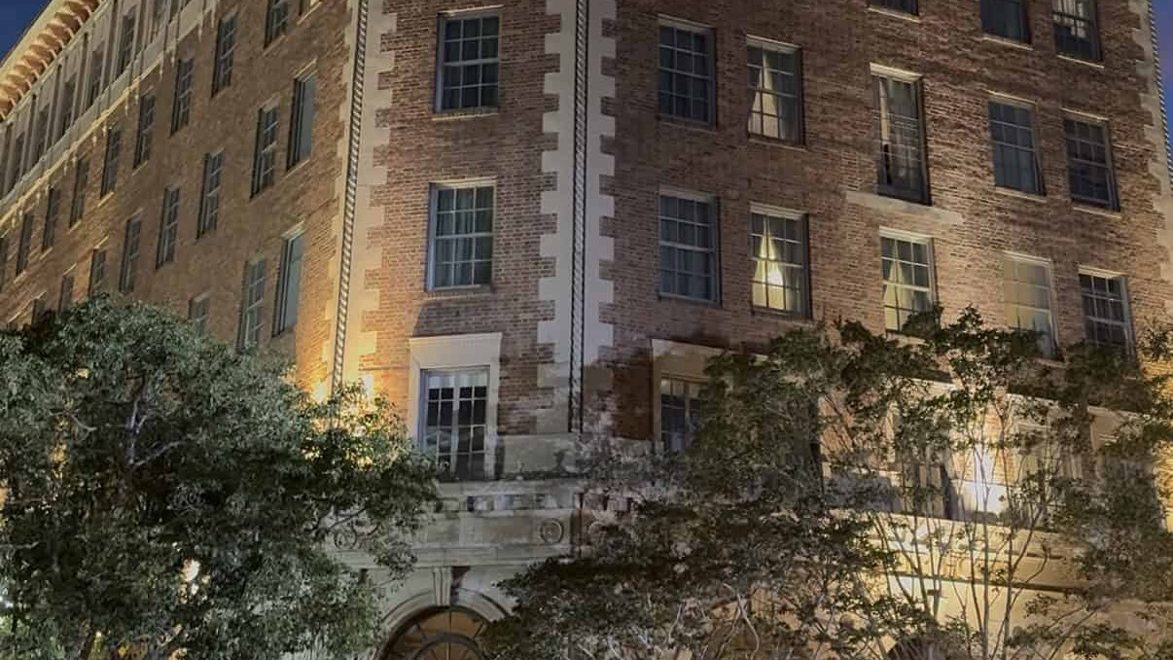
You can walk past the Culver Hotel a hundred times and not think twice about it. It’s just there, on the corner, doing what it’s always done. But a building that’s stood in the same spot on the same street for a hundred years isn’t background noise, it’s a track record. And in this business, track records are worth paying attention to.
One Hundred Years. One Address.
Harry Culver built the hotel in 1924 for his sales office, on what he liked to call “the shortest Main Street in the USA.” He wasn’t just putting up a building, he was making a bet on a town he’d founded seven years earlier, on a stretch of land between Venice and Downtown Los Angeles that most people had no reason to care about. He hired the same architect behind the Roosevelt Hotel in Hollywood, and he used the hotel to pull filmmakers into his city, which is the reason Culver City became a studio town.
This project didn’t always feel like a safe bet. For a stretch of the mid-century, the hotel sat boarded up and neglected, the kind of building parents tell their kids to stay away from. Growing up I thought it was haunted, and I still think the ghosts of the three munchkins from The Wizard Of Oz wander the halls. It wasn’t until 2007 that a real revitalization brought it back to life. Today it’s a National Historic Landmark, its terrazzo floors and stained glass intact, and it’s still standing on the same corner where Harry Culver put it a century ago.
What “Staying Power” Means For Your Bottom Line
Here’s why I’m telling you this. A hotel doesn’t survive a hundred years, a mid-century decline, and a full restoration by accident. It survives because the neighborhood kept giving people a reason to come back. That’s demand, over and over, through decades that weren’t always kind to it.
Now look at what’s built up around it. Culver City today runs on studio and tech money. Amazon and Apple are the modern version of what Thomas Ince and MGM used to be. Downtown has a concentration of restaurants, shops and entertainment that most of LA doesn’t. And the restaurant scene has gotten so good that people drive across the city to meet for dinner, not because they happen to be in the neighborhood. That’s a different kind of pull than “convenient location.” That’s a place people choose, a destination.
What This Means If You’re Selling Or Buying A Home In Culver City
If you’re selling, this is your context: you’re not marketing a house, you’re marketing a piece of a neighborhood with deep roots, the kind of place with generations of long-time residents who never left, even while the hotel, a neighborhood landmark, went through its own ups and downs. Buyers respond to that, even when they can’t articulate why. It’s the difference between “this area might be up-and-coming” and “this area has already been tested.”
If you’re buying, it’s the reverse case for confidence. You’re not betting on potential. You’re buying into a track record. Culver City isn’t hoping people show up. They already are, for the studios, for the restaurants, for the walk down Main Street past a hotel that’s rich in Hollywood history and withstood the test of time.
Buildings like the Culver Hotel don’t get preserved by accident. They get preserved because enough people, over enough years, decided the neighborhood around them was special. It’s the reason I tell clients that not only does Culver City have staying power, it still has momentum.
If you would like to talk it through, get in touch.